Categories
Advice Health Tips

Staying Healthy at work

The average workweek has gotten longer, people are spending more time at work than ever before. With many jobs being sedentary in nature, it’s important to make an effort to stay healthy while at work. Here are some tips to help you stay healthy at work:


  1. Take breaks: Taking regular breaks is crucial for workplace health and ergonomics. Stand up, stretch, and walk around every hour or so to help prevent fatigue and muscle stiffness.
  2. Stay hydrated: Dehydration can lead to workplace fatigue and decreased productivity, so make sure to drink plenty of water throughout the day to support office wellness. Keep a water bottle at your desk as a reminder to drink water regularly.
  3. Snack smart: Opt for healthy workplace snacks like fruits, nuts, and vegetables to support office wellness and prevent sitting disease. Avoid sugary snacks or junk food that can lead to a crash later on.
  4. Sit properly: To prevent back and neck pain and support ergonomics at work, make sure your chair is adjusted to the right height, and use a cushion or a rolled-up towel to support your lower back if needed.
  5. Take the stairs: Climbing stairs is a simple way to incorporate workplace exercise into your day and prevent sitting disease.
  6. Practice good posture: Sitting up straight and keeping your shoulders relaxed helps prevent back and neck pain and supports ergonomics at work.
  7. Take advantage of workplace wellness programs: Joining on-site yoga classes or gym memberships can help support office wellness and encourage healthy workplace culture.
  8. Get up and move: Moving around periodically helps prevent workplace fatigue and supports physical activity at work.
  9. Get enough sleep: Getting 7-8 hours of sleep each night is essential for office wellness, alertness, and productivity.
  10. Practice mindfulness: Mindfulness is an effective stress management tool that can support mental health in the workplace.
  11. Avoid sitting for too long: Incorporating regular movement breaks into your workday helps prevent sitting disease and supports office wellness.
  12. Use a standing desk: Using a standing desk helps reduce sitting time and improve posture, and supports ergonomics at work.
  13. Avoid eating at your desk: Eating lunch in a separate space helps promote healthy digestion and mindfulness, and supports office wellness.
  14. Practice good hand hygiene: Regular handwashing and the use of hand sanitizer at work help prevent the spread of germs and support office wellness.
  15. Take care of your mental health: Prioritizing mental health in the workplace is crucial for preventing workplace stress and burnout. Talking to a mental health professional or reaching out to an employee assistance program can provide support and promote office wellness.



Categories
Health Tips Healthy Living

Osteoarthritis

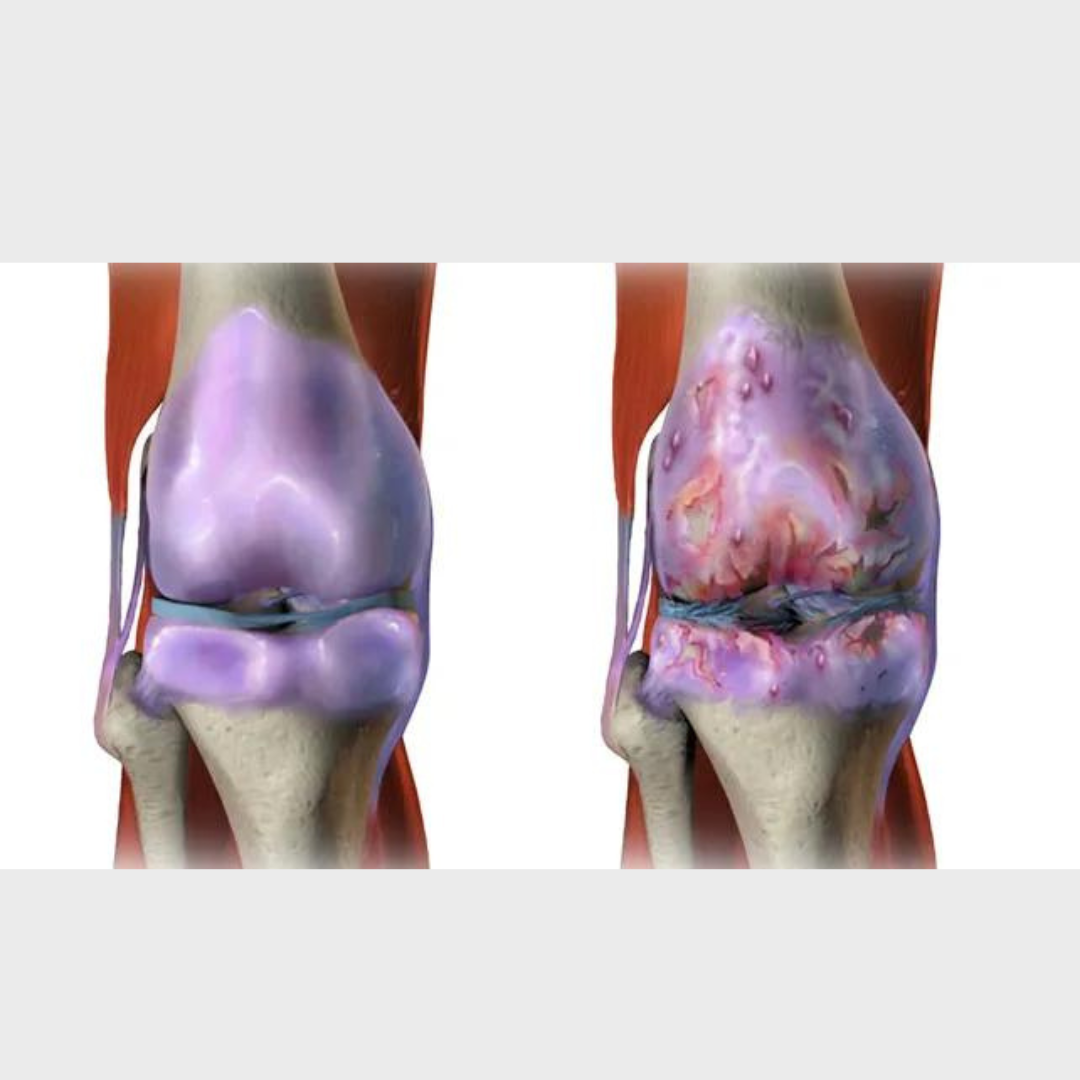
Millions worldwide suffer from osteoarthritis (OA), a common degenerative joint condition. It results in discomfort, stiffness, and reduced mobility and occurs through the deterioration of the cartilage that cushions the joints. This article will explore osteoarthritis’s causes, symptoms, treatment, and prevention.

Causes of Osteoarthritis: The most common causes of osteoarthritis include aging, obesity, joint injuries, and genetic factors. The natural aging process can cause the cartilage in our joints to wear down over time, leading to osteoarthritis. Obesity also puts extra pressure on the joints, causing them to wear down faster. Joint injuries, such as those from sports or accidents, can also lead to osteoarthritis, as can genetic factors that can make some people more prone to the disease.

Symptoms of Osteoarthritis: Depending on the severity of the condition and the position of the affected joint, osteoarthritis symptoms can change.

However, common symptoms include pain, stiffness, swelling, decreased range of motion, and a grinding or popping sensation in the affected joint. Some people may also experience muscle weakness or numbness in the affected area.

Treatment of Osteoarthritis: Although osteoarthritis cannot be cured, numerous treatment choices can help manage the condition’s symptoms and enhance the quality of life. These include:


  1. Medication: Nonsteroidal anti-inflammatory medications (NSAIDs), such as acetaminophen and over-the-counter painkillers, can help control pain and inflammation.

An alternative to NSAIDs that has gained popularity and is said to have a better result in recent years is the use of glucosamine chondroitin with MSM (methylsulfonylmethane). This combination of supplements is believed to promote joint health and reduce pain and inflammation in OA.

  1. Physical Therapy: Physical Therapy: Exercises can be created by a physical trainer to strengthen the muscles surrounding the injured joint, increase the range of motion, and lessen pain.
  2. Surgery: In severe cases, surgery may be necessary to repair or replace the affected joint.
  3. Lifestyle Changes: Weight loss and exercise can help reduce the pressure on joints and improve overall joint health.
  4. Support: Also using joint supports can also help to reduce the pain and improve function, sometimes to numb the pain an ice patch is used on the affected spot.

Prevention of Osteoarthritis: While there is no guaranteed way to prevent osteoarthritis, one can take steps to reduce the risk of developing the disease. These include:

  1. Maintaining a healthy weight: Excess weight puts extra pressure on joints, increasing the risk of wear and tear.
  2. Exercising helps keep joints flexible and strong, reducing the risk of injury and joint damage.
  3. Maintaining overall joint health through nutrition: A diet high in fruits, vegetables, and whole grains can help.
  4. Avoiding joint injuries: Be cautious when participating in sports or other activities that could cause joint injury.

Conclusion: Millions of people around the globe suffer from the common and disabling disease of osteoarthritis. Although no known treatment exists for the illness, numerous choices exist to help manage symptoms and enhance the quality of life.

Making healthy lifestyle choices and preventing joint injuries can reduce the risk of developing osteoarthritis and improve overall joint health.


Categories
Videos

Self Medication

Categories
Videos

World pharmacist day

Categories
Videos

Fitness Routine

Categories
Videos

Merry Christmas

Merry Christmas

Categories
Videos

Children’s Dental Health

Categories
Videos

Bleaching Trends Continued

Categories
Videos

Bleaching your skin

Categories
Videos

Breast Cancer Awareness